
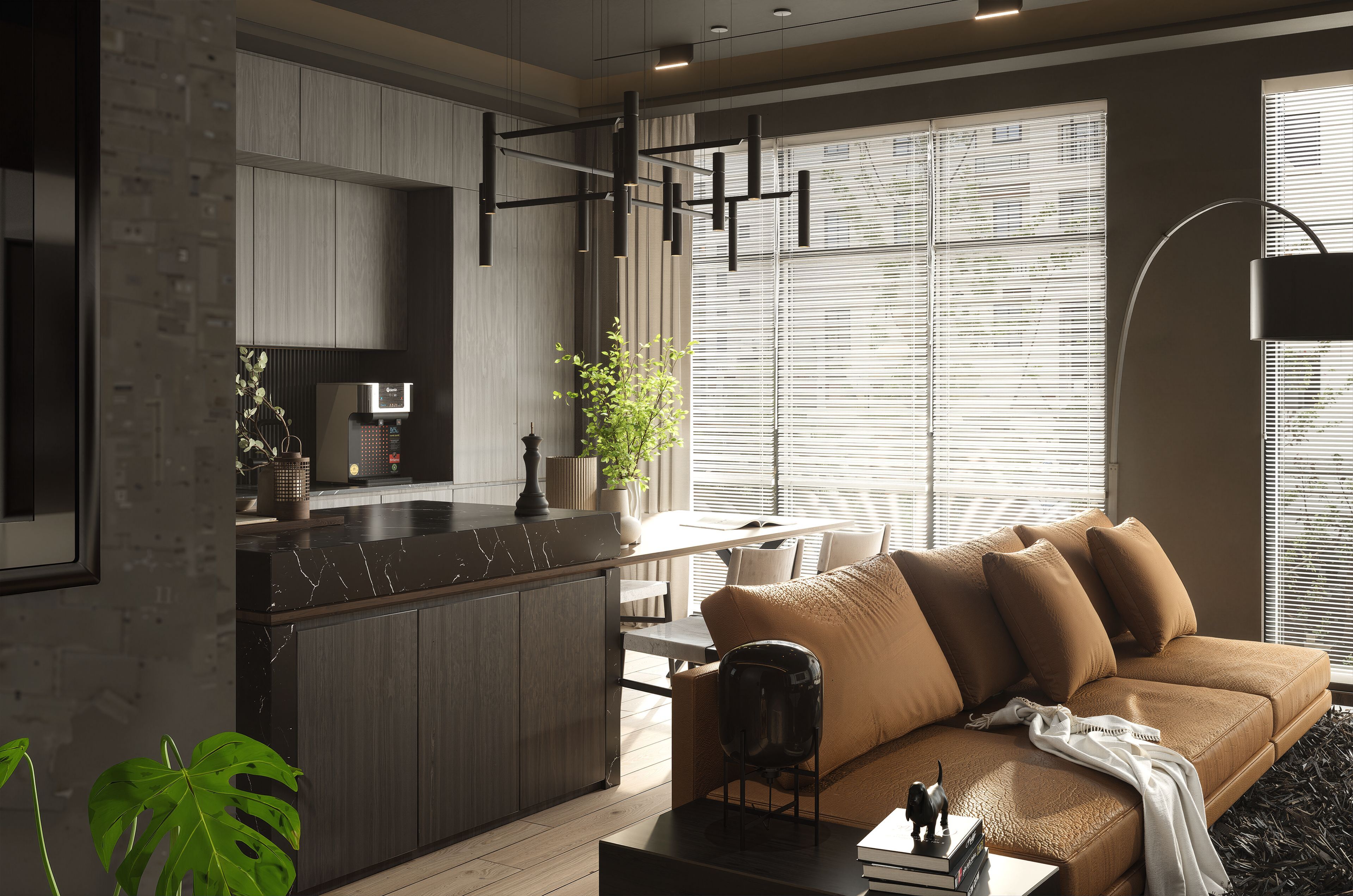
Quick Answer: To live comfortably in a micro studio, treat every inch as usable: declutter hard, pick multipurpose furniture, store things vertically, and split the room into clear zones. A micro studio usually runs 400 square feet or less, so the goal is to make one small room do the work of several.
Living in a few hundred square feet is a growing reality for renters across the country. Learning how to live comfortably in a micro studio is less about square footage and more about smart choices, from the furniture you pick to how you arrange compact studio floor plans. This guide walks through ten practical ways to make a tiny space feel like home.
What Is a Micro Studio Apartment?
A micro studio is the smallest kind of self-contained apartment, blending your sleeping, living, and kitchen areas into one open room with a private bathroom. Most run 400 square feet or less, and many fall between 150 and 350 square feet, roughly the footprint of a one-car garage.
The payoff is real. These units cost less than a standard studio, which averages about 472 square feet nationwide, so you trade space for lower rent. Folding that saving into a plan for your monthly bills as a first-time renter makes the tradeoff worth it. The Urban Land Institute notes a micro unit has no standard national definition, so square footage varies a lot by city.
Size is the clearest way to see where a micro studio sits among small rentals.
| Apartment type | Typical size | Rent level | Best suited for |
|---|---|---|---|
| One-bedroom | 700+ sq ft (714 avg) | Highest | A separate bedroom, more room |
| Standard studio | 400 to 600 sq ft (472 avg) | Moderate | Balance of space and cost |
| Micro studio | Under 400 sq ft (often 150 to 350) | Lowest | Tight budgets and prime locations |
10 Practical Tips to Live Comfortably in a Micro Studio
The difference between a cramped micro studio and a calm one is rarely the square footage. It's the decisions you make about furniture, storage, and layout. These ten tips draw on the moves designers and long-time small-space renters rely on, and none require a renovation or your landlord's sign-off.
1. Declutter Before You Decorate
Nothing shrinks a micro studio like clutter. Sort everything into keep, donate, and store piles, and be honest about what you use. A one in, one out rule keeps it from filling back up. Send seasonal gear to a small offsite unit.
2. Choose Multipurpose Studio Apt Furniture
Every piece should do two jobs. Good studio apt furniture folds flat or hides storage inside: a sofa bed, a lift-top table that becomes a desk, a storage ottoman. A Murphy bed folds into the wall and frees the floor by day.
3. Master Organizing Small Spaces by Going Vertical
When you run out of floor, look up. Organizing small spaces means using wall height most renters ignore. Add floating shelves above the sofa and the door, choose a tall, narrow bookcase, and hang a pegboard by the entry for keys and bags.
4. Zone the Room With Smart Apt Layouts
One open room can still have zones. The best apt layouts use a low shelf or a curtain to mark where the bed ends and the living area begins. A shelving unit that doubles as a divider adds storage and a visual break at once.
5. Steal These Apartment Hacks for Hidden Storage
The best apartment hacks turn dead space into storage. Raise your bed on risers and slide flat totes underneath. Hang an over-the-door organizer in the bathroom, mount a rail inside a cabinet, and roll a slim cart into the gap beside the fridge.
6. Try Small Apartment Ideas for the Kitchen
Micro kitchens need the most creativity. Small apartment ideas that pay off fast include a magnetic knife strip, a pegboard for pots, and a tension rod under the sink. A rolling island doubles as prep space, then tucks away.
7. Get Flat Furnishing Ideas Right by Watching Scale
Oversized furniture is the fastest way to shrink a room. The flat furnishing ideas that work lean toward raised legs and open frames, because visible floor makes a space read as larger. Skip the bulky sectional for a loveseat and a couple of light chairs.
8. Use Light and Mirrors to Feel Bigger
Light does heavy lifting in a micro studio. Keep window treatments sheer, and layer lamps at different heights instead of one harsh ceiling fixture. A large mirror across from a window bounces daylight and doubles the sense of depth.
9. Keep the Air Fresh
Here's the tip most lists skip. In one small room, cooking smells and shower steam build up fast because there's so little air to dilute them. The EPA notes apartments face the same air problems as full houses, and that exhaust fans venting outdoors plus timed open-window ventilation clear moisture quickly. Their guidance on how to protect indoor air quality at home is worth a read.
10. Make It Yours When Decorating a Studio Apt
Small doesn't mean bare. Good decorating studio apt ideas start with a few pieces that carry personality without crowding the room, like one bold artwork and a plant you can keep alive. Browsing available studio apartments shows how compact layouts handle these finishing touches.
How Do You Make a Small Studio Feel Bigger?
You can't add square footage, but you can trick the eye. Making a small studio feel bigger comes down to light, sightlines, and vertical space. Keep the floor visible, draw the eye upward with tall storage, and let daylight reach every corner so the walls feel farther apart.
Furniture scale matters more than quantity. A few smart studio apartment ideas, like legs on your sofa and a glass-topped table, keep sightlines open so the room breathes. But your unit isn't the only space you live in. Treat shared amenities like a co-working lounge and fitness center as extra square footage you never have to furnish. When you compare apartment ideas online, favor units with good natural light and higher ceilings over 30 extra square feet.
Frequently Asked Questions
1. What furniture do you actually need in a micro studio?
Stick to pieces that do double duty and leave the floor visible. A starter set for most micro studios:
- A sofa bed or Murphy bed for sleeping and seating
- A lift-top table that works as desk and dining
- A storage ottoman or bed with built-in drawers
- One tall, narrow shelf for vertical storage
That covers the essentials without crowding the room.
2. How small is too small for a studio apartment?
Building codes often set a studio's living room minimum near 190 square feet, which puts total size around 300 square feet. Below that, expect to need a Murphy bed or loft setup to live comfortably. Anything under 200 square feet works best as a short-term or budget-conscious choice.
3. Do micro studios cost less than a regular studio?
Usually, yes. Because a micro studio packs less square footage, it typically rents for less than a standard studio or one-bedroom in the same area. Savings vary widely by city and market, so compare a few listings side by side. For many renters, that lower rent is the main draw.
4. Do micro studio apartments have a full kitchen?
It varies by unit. Many micro studios include a compact but working kitchen, sometimes with full-size appliances and sometimes a kitchenette with a two-burner cooktop and a small fridge. Before signing, check the photos and floor plan so you know what appliances and counter space you're getting.
5. Can two people live comfortably in a micro studio?
Two people can share a micro studio, but it takes discipline. A queen Murphy bed frees the floor by day, dedicated storage for each person cuts friction, and offsite storage handles overflow. Couples in expensive cities do it all the time. Agree on zones and a clutter rule before you move in.
Conclusion
Figuring out how to live comfortably in a micro studio isn't about tolerating a tiny space. It's about designing one that works harder than its size suggests. Declutter, choose furniture that does two jobs, build upward, and zone the room, and 300 square feet starts to feel like enough. Renting a small apartment doesn't have to feel like a compromise once these habits click. Start with the storage, then let the rest follow.